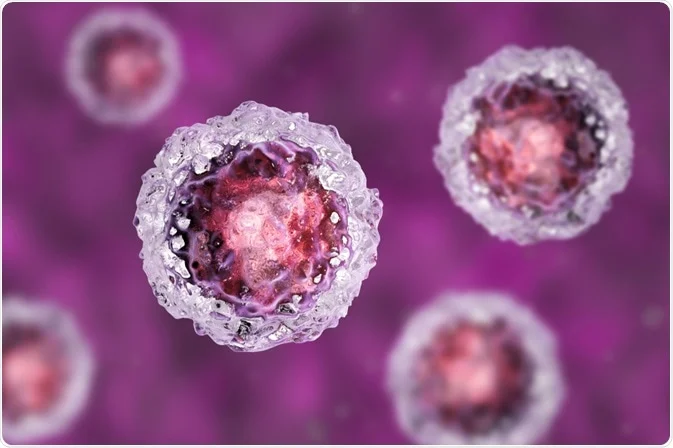
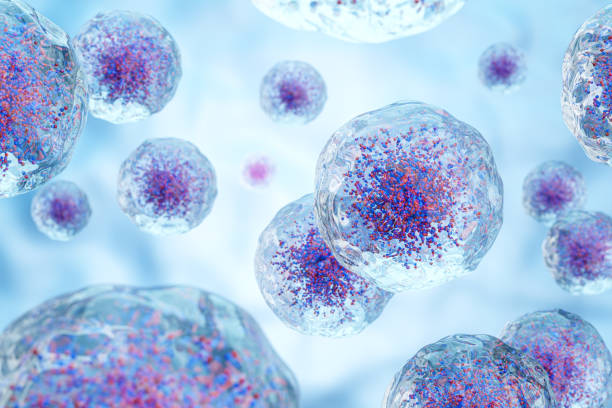
Cancer Stem Cells (CSCs), also known as tumor-initiating cells, are a small subpopulation of cells within tumors that possess characteristics similar to normal stem cells, including self-renewal, differentiation potential, and the ability to drive tumor initiation, progression, metastasis, and recurrence.
First conclusively identified in acute myeloid leukemia in 1997, CSCs have since been found in most solid tumors and hematological malignancies. They contribute to therapy resistance through quiescence, enhanced DNA repair, efflux pumps, and metabolic adaptations.
In 2025, CSC research remains a hot field, with reviews highlighting their role in resistance and new targeting strategies, including pathway inhibitors and immunotherapies. CSCs interact with the tumor microenvironment (TME), exhibiting plasticity that allows interconversion with non-CSC states.
Properties and Characteristics
CSCs exhibit:
- Self-Renewal → Asymmetric division to maintain the population.
- Tumorigenicity → Initiate tumors in xenograft models at low cell numbers.
- Heterogeneity and Plasticity → Dynamic states influenced by TME and therapy.
- Therapy Resistance → Quiescence (G0 phase), ABC transporters, ALDH activity, anti-apoptotic mechanisms.
- Metastatic Potential → EMT induction for invasion.
They often enter dormancy to evade treatments, awakening later to cause relapse.
Identification and Markers
No universal marker exists; identification combines surface proteins, functional assays, and signaling activity.
Common markers:
- CD44 → Adhesion, widespread in solid tumors.
- CD133 (Prominin-1) → Glycoprotein in brain, lung, colon.
- ALDH1 → Enzyme for detoxification, high activity in breast, ovarian.
- EpCAM → Adhesion in carcinomas.
- Others: CD24 (often CD44+/CD24- in breast), SOX2, OCT4, NANOG (pluripotency).
Functional assays:
- Tumorsphere Formation → Suspension culture enriches CSCs.
- Xenotransplantation → Limiting dilution for tumorigenicity.
Signaling Pathways
CSCs rely on dysregulated stemness pathways:
- Wnt/β-catenin → Self-renewal, EMT.
- Notch → Proliferation, resistance.
- Hedgehog → Maintenance, metastasis.
- Others → PI3K/AKT, Hippo/YAP, STAT3.
These crosstalk and interact with TME.
Therapeutic Targeting
Targeting CSCs aims to overcome resistance:
- Pathway Inhibitors → γ-secretase (Notch), vismodegib (Hedgehog), PRI-724 (Wnt).
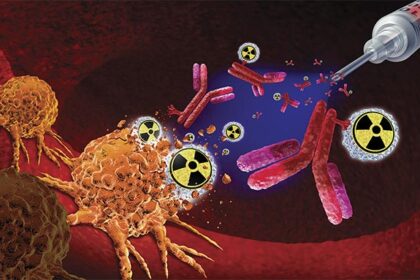
- Surface Markers → Antibodies against CD44, CD133.
- Natural Compounds → Curcumin, resveratrol modulating pathways.
- Immunotherapy → CAR-T/NK cells against CSC antigens.
- Combination Therapies → With chemo/radio to hit bulk and stem populations.
Emerging: Nanoparticles for selective delivery, epigenetic modulators.
Challenges: Heterogeneity, plasticity, off-target effects on normal stem cells.
Latest (2025): Trials with multi-pathway inhibitors, CSC vaccines, and ACLY blockers show promise in reducing relapse.
Conclusion
Cancer stem cells are central to tumor persistence and resistance, making them prime targets for next-generation therapies. Advances in markers, models, and inhibitors offer hope for eradicating residual disease, but overcoming plasticity requires innovative combinations. Ongoing research in 2025 continues to refine CSC-directed strategies for improved outcomes.
More articles by ZMR Researche:
https://www.zionmarketresearch.com/de/report/sustainable-catering-services-market
https://www.zionmarketresearch.com/de/report/silage-film-market
https://www.zionmarketresearch.com/de/report/cnc-machine-market
https://www.zionmarketresearch.com/de/report/pressure-transmitter-market
https://www.zionmarketresearch.com/de/report/cardiovascular-monitoring-diagnostic-devices-market