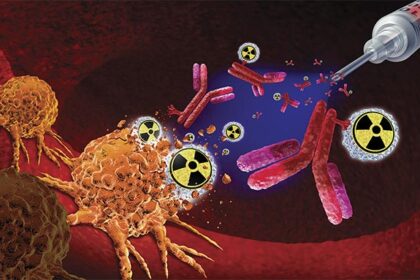
Drug Addiction Treatment, also known as substance use disorder (SUD) treatment, encompasses a range of medical, psychological, and social interventions designed to help individuals overcome dependence on psychoactive substances, manage withdrawal, reduce cravings, and achieve long-term recovery. Addiction is recognized as a chronic brain disease characterized by compulsive drug seeking despite harmful consequences, involving changes in reward, motivation, and self-control circuitry.
Treatment approaches have evolved from early 20th-century moral models and punitive measures to evidence-based, compassionate care grounded in neuroscience and behavioral science. The modern framework views addiction as treatable, with recovery rates comparable to other chronic conditions like diabetes or hypertension (40-60% sustained remission). As of 2025, over 20 million Americans and hundreds of millions globally meet criteria for SUD, yet only about 10-20% receive specialized treatment due to stigma, access barriers, and cost. The global addiction treatment market exceeds USD 40 billion, reflecting growing investment in medication-assisted therapy (MAT), digital interventions, and personalized care.
Understanding Addiction and the Need for Treatment
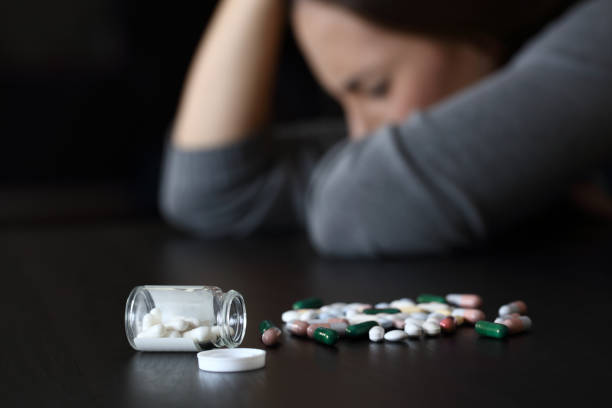
Addiction develops through repeated exposure altering dopamine pathways, leading to tolerance, withdrawal, and loss of control. Risk factors include genetics (40-60% heritability), trauma, mental health disorders (comorbidity >50%), and environmental influences.
Untreated addiction causes devastating health, social, and economic impacts: overdose deaths (over 100,000 annually in U.S.), infectious diseases (HIV, hepatitis C), family disruption, and productivity losses. Effective treatment reduces these harms dramatically—MAT alone cuts overdose risk by 50-70%.
Goals of treatment:
- Achieve abstinence or harm reduction.
- Manage withdrawal safely.
- Address co-occurring disorders.
- Build coping skills and support networks.
- Prevent relapse.
Treatment is not one-size-fits-all; individualized plans improve outcomes.
Stages of Treatment
Standard continuum includes:
- Detoxification (Detox) Medically supervised withdrawal management.
- Outpatient or inpatient.
- Medications: Benzodiazepines (alcohol), methadone/buprenorphine (opioids), clonidine (symptom relief). Duration: 3-10 days acute; longer for some substances.
- Rehabilitation (Rehab) Intensive therapy phase.
- Inpatient/Residential: 28-90 days; structured environment.
- Outpatient: Partial hospitalization (PHP) or intensive outpatient (IOP); allows home living. Focus: Therapy, education, peer support.
- Maintenance and Aftercare Ongoing support: Sober living, 12-step (AA/NA), therapy, medication.
Evidence-Based Treatment Approaches
- Medication-Assisted Treatment (MAT) Gold standard for opioid and alcohol use disorders.
- Opioids: Methadone (full agonist), buprenorphine (partial agonist), naltrexone (antagonist).
- Alcohol: Naltrexone, acamprosate, disulfiram.
- Nicotine: Varenicline, bupropion.
- Behavioral Therapies
- Cognitive Behavioral Therapy (CBT): Identifies/restructures triggers.
- Contingency Management: Rewards abstinence.
- Motivational Enhancement Therapy (MET): Builds intrinsic motivation.
- Dialectical Behavior Therapy (DBT): For co-occurring emotion dysregulation.
- Family Therapy: Addresses systemic issues.
- 12-Step and Peer Support Alcoholics Anonymous/Narcotics Anonymous; free, community-based.
- Holistic/Complementary Mindfulness, yoga, acupuncture, exercise—adjunctive for stress reduction.
Specialized Treatment Populations
- Adolescents: Developmental focus, family involvement.
- Pregnant Women: MAT with methadone/buprenorphine to prevent neonatal abstinence.
- Co-Occurring Disorders: Integrated mental health treatment.
- LGBTQ+: Trauma-informed, identity-affirming care.
- Veterans: PTSD-specific programs.
Emerging and Innovative Treatments
- Psychedelic-Assisted Therapy: MDMA (Phase III for PTSD), psilocybin (depression/addiction).
- Digital Therapeutics: Apps for CBT, craving management.
- Neuromodulation: TMS (transcranial magnetic stimulation) for cravings.
- Gene Therapy/Vaccines: Experimental anti-cocaine or opioid vaccines.
Challenges in Addiction Treatment
- Stigma: Deters help-seeking.
- Access: Rural shortages, cost (inpatient USD 20,000-50,000/month).
- Relapse Rates: 40-60% in first year (normal part of recovery).
- Workforce: Shortage of addiction specialists.
- Criminal Justice Focus: Incarceration over treatment in some systems.
Effectiveness and Outcomes
Successful treatment reduces drug use by 40-70%, crime by 50%, and improves employment/health. Longer duration (>90 days) correlates with better outcomes. Recovery is lifelong; many achieve sustained remission with ongoing support.
Insurance and Cost Considerations
U.S.: Mental Health Parity Act mandates equivalent coverage; ACA essential benefits include SUD treatment. Medicare/Medicaid expansions help. Private plans vary; out-of-pocket common for luxury rehabs.
Conclusion
Drug addiction treatment has progressed from punitive to compassionate, evidence-based care recognizing addiction as a treatable brain disorder. Combining medication, therapy, and support yields meaningful recovery for millions. Challenges persist—access, stigma, research gaps—but expanding options, including digital and novel therapies, offer hope. Recovery is possible; comprehensive, individualized treatment provides the strongest path forward, supported by community, policy, and ongoing scientific advancement.
More articles by ZMR Researche:
https://www.zionmarketresearch.com/de/report/b2b-cross-border-payments-market
https://www.zionmarketresearch.com/de/report/molded-fiber-pulp-packaging-market
https://www.zionmarketresearch.com/de/report/lighted-mirror-medicine-cabinets-market
https://www.zionmarketresearch.com/de/report/electric-motorcycle-and-scooter-market
https://www.zionmarketresearch.com/de/report/custom-software-development-services-market