Adaptive Stroller, also known as a special needs stroller or pediatric mobility stroller, is a specialized mobility device designed to provide safe, comfortable, and supportive transportation for children and adults with disabilities, medical conditions, or mobility challenges. Unlike standard baby strollers, adaptive strollers feature customizable positioning options, enhanced stability, and durable construction to accommodate a wide range of physical needs, such as poor head control, spasticity, low muscle tone, or orthopedic conditions.
These strollers emerged in the mid-20th century as part of advancements in pediatric rehabilitation and assistive technology, evolving from basic push chairs to sophisticated systems with tilt-in-space, recline, and lateral support mechanisms. By 2025, the global market for adaptive strollers and related pediatric mobility aids is valued at approximately USD 1.5-2 billion, driven by increasing awareness of early intervention, rising rates of childhood disabilities (e.g., cerebral palsy, Down syndrome), and demand for inclusive family mobility. Leading manufacturers include R82, Leckey, Convaid, Thomashilfen, Special Tomato, and Sunrise Medical (Zippie Voyage), offering models from lightweight travel strollers to robust all-terrain options.
Adaptive strollers empower caregivers to navigate daily life—whether for short errands, outdoor adventures, or medical transport—while promoting the user’s physical development and comfort.
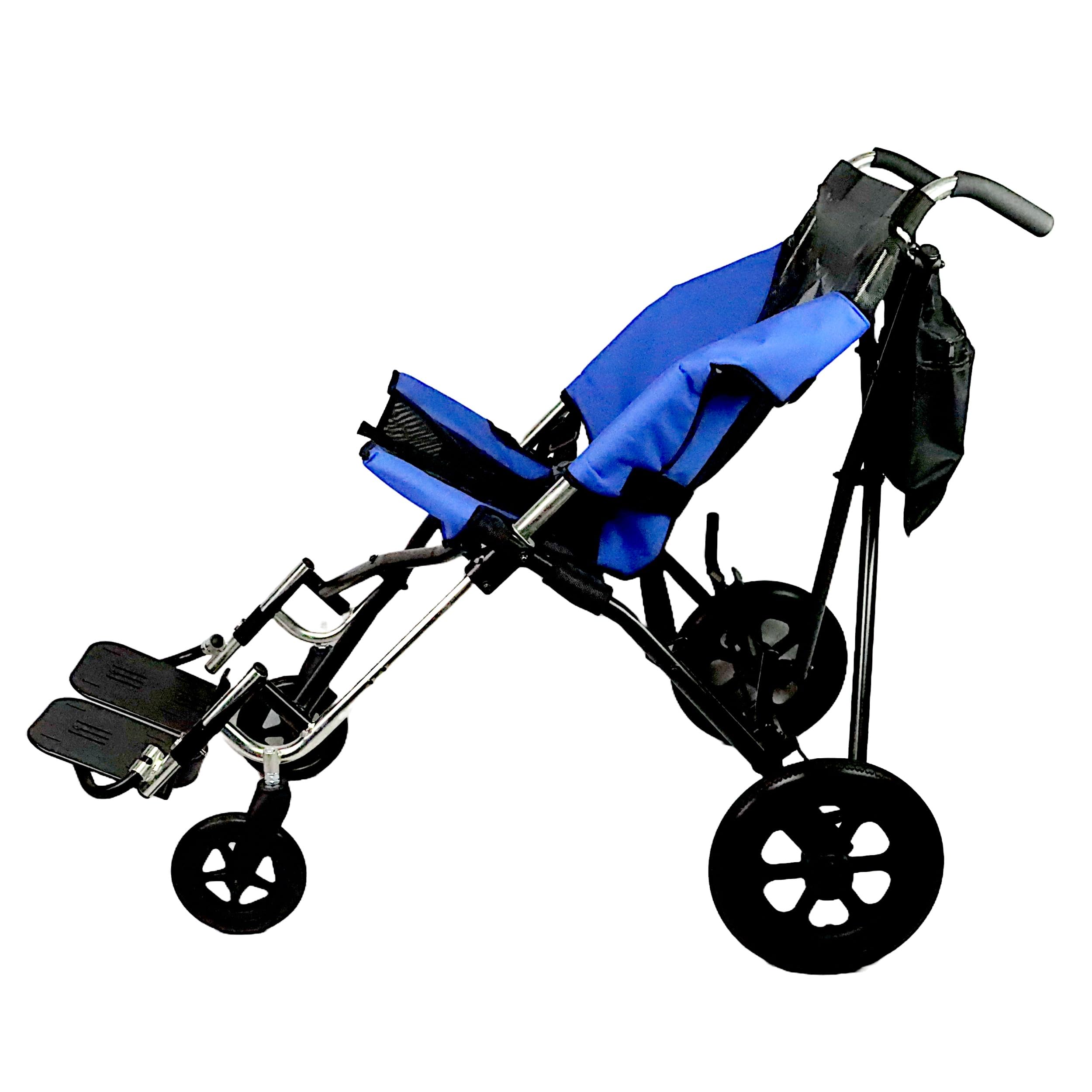
Key Features of Adaptive Strollers
Adaptive strollers are engineered for versatility and support, with features tailored to individual needs:
- Seating and Positioning
- Tilt-in-Space: Allows the entire seat to recline without sliding the child, reducing pressure points and aiding feeding or relaxation.
- Recline Mechanisms: Adjustable backrests for upright, semi-reclined, or flat positions to support respiratory function or prevent reflux.
- Lateral Supports: Padded bolsters to maintain midline positioning and prevent scoliosis progression.
- Headrests and Trays: Contoured for head control and activities like eating or play.
- Frame and Mobility
- Lightweight Aluminum Frames: Weighing 15-30 kg for easy maneuverability.
- All-Terrain Wheels: Large rear wheels and front swivels for uneven surfaces, parks, or travel.
- Folding Systems: One-hand or quick-fold for portability and storage.
- Safety and Accessibility
- Five-Point Harnesses: Secure restraint with quick-release.
- Footplates and Brake Systems: Adjustable heights and reliable locking.
- Accessories: Oxygen tank holders, IV poles, sunshades, cup holders, and storage baskets.
- Growth Adaptability
- Adjustable Seat Depth/Width: Accommodates children from infancy (up to 10-15 kg) to older kids/adults (up to 45-110 kg).
- Modular Components: Interchangeable seats for use on different bases (e.g., stroller to car seat).
Models like the Convaid 790 Eclipse or Leckey Leckey Mygo offer customization, with some supporting up to 48 inches in height.
Differences from Standard Strollers
Standard baby strollers prioritize lightweight portability and basic comfort for healthy infants, lacking the robust support needed for special needs:
- Positioning: Adaptive strollers provide therapeutic posture management; standard ones offer minimal adjustment.
- Durability: Heavy-duty frames and wheels handle rough terrain; standard models are for smooth urban use.
- Capacity: Adaptive up to 110 lbs; standard 50 lbs max.
- Accessories: Medical integrations (ventilator trays) vs. basic (cup holders).
Experts emphasize adaptive strollers’ role in early intervention, promoting muscle development and preventing secondary complications like contractures.
Benefits of Adaptive Strollers
- Mobility and Independence: Enable family outings, school integration, and daily activities without fatigue.
- Therapeutic Support: Maintain optimal posture, reduce spasticity, improve circulation.
- Caregiver Ease: Ergonomic handles, lightweight folding, and storage options.
- Versatility: Transition from stroller to wheelchair base or travel system.
- Long-Term Value: Adjustable for growth, lasting 5-10 years.
For children with cerebral palsy or muscular dystrophy, adaptive strollers improve quality of life scores by 20-40% in studies.
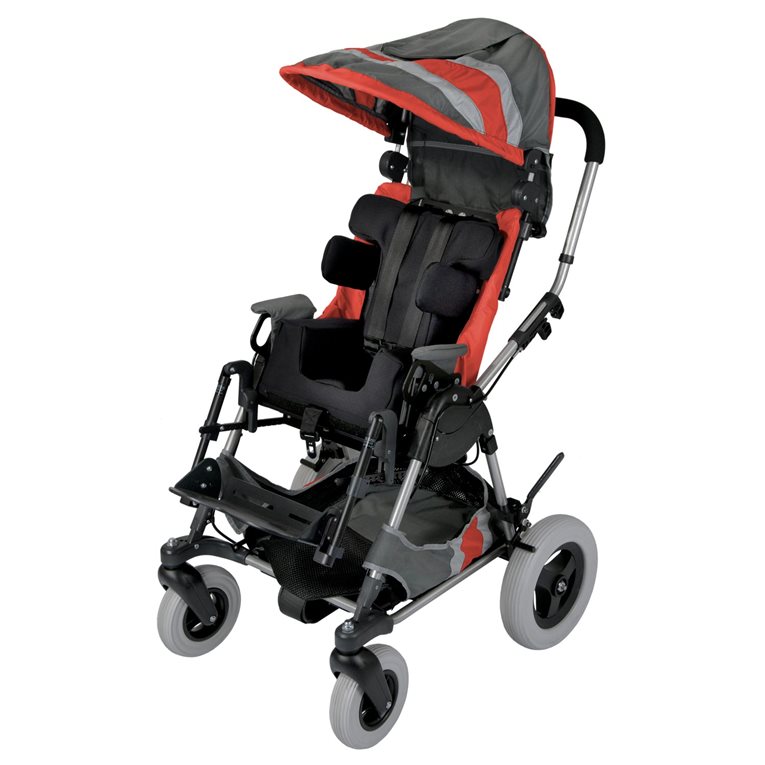
Choosing the Right Adaptive Stroller
Selection involves assessment:
- User Needs: Weight/height, condition (e.g., low tone vs. spasticity), terrain (urban vs. outdoor).
- Features: Tilt/recline range, harness type, foldability.
- Budget: USD 500-3,000+; insurance/Medicaid often covers with prescription.
- Trial/Fit: Physical therapist evaluation; rent before buy.
Consult specialists for customization.
Popular Models and Brands
- Zippie Voyage (Sunrise Medical): Lightweight, quick-fold; ideal for travel.
- Convaid Eclipse: All-terrain, durable; supports up to 110 lbs.
- Leckey MyGo: Modular, positioning-focused; for infants to teens.
- Tadpole Adaptive Triad: Versatile, affordable; multiple seating options.
- R82 Mustang: Heavy-duty, high support for complex needs.
Accessories enhance functionality (e.g., sunshades, trays).
Maintenance and Safety
- Clean fabrics weekly; inspect wheels/brakes monthly.
- Avoid overloading; follow weight limits.
- Use in well-lit areas; secure harnesses.
- Store folded in dry place.
Safety standards: ISO 7176 for wheelchairs/strollers.
Market Trends
- Lightweight, portable designs for urban families.
- Eco-friendly materials (recycled plastics).
- Tech integration (GPS tracking, app controls).
- Inclusive sizing for older children/adults.
Growth in developing markets addresses accessibility gaps.
Conclusion
Adaptive strollers transform mobility for children with special needs, offering customized support that fosters inclusion, development, and family bonding. From basic push chairs to advanced positioning systems, they address diverse challenges while prioritizing comfort and ease. As awareness grows and technology advances, adaptive strollers continue evolving to meet evolving needs, empowering users to navigate the world with confidence and joy. Professional guidance ensures the best fit for each individual.
More articles by ZMR Researche:
https://www.zionmarketresearch.com/de/report/chambered-doctor-blade-systems-market
https://www.zionmarketresearch.com/de/report/femoral-canal-brush-market
https://www.zionmarketresearch.com/de/report/idi-contact-technology-market
https://www.zionmarketresearch.com/de/report/oil-mist-separator-market
https://www.zionmarketresearch.com/de/report/cross-traffic-alert-market