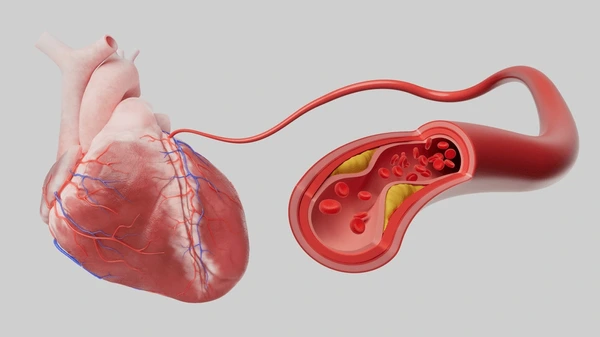
Cardiovascular Medtech encompasses a broad array of medical technologies designed to diagnose, treat, and manage heart and vascular conditions, including coronary artery disease, heart failure, arrhythmias, and structural heart defects. This field has evolved from basic stents and pacemakers in the late 20th century to advanced robotics, AI-driven diagnostics, and minimally invasive therapies by the 2020s. Key innovations include transcatheter heart valves, pulse field ablation, and wearable cardiac monitors, addressing the global burden of cardiovascular diseases (CVDs), which cause over 18 million deaths annually.
The global cardiovascular devices market is valued at approximately USD 65-83 billion in 2025, projected to reach USD 107-158 billion by 2030-2035 at CAGRs of 7-10%. Growth is propelled by aging populations, rising CVD prevalence, technological advancements like AI and robotics, and expanding markets in Asia-Pacific. Leading companies include Medtronic, Abbott, Boston Scientific, Edwards Lifesciences, and Johnson & Johnson.

Key Technologies and Devices
Cardiovascular medtech includes diagnostic, interventional, and implantable devices.
Stents and Balloons: Drug-eluting stents (DES) dominate coronary interventions, with bioresorbable stents reducing long-term risks.
Pacemakers and ICDs: Leadless pacemakers and subcutaneous ICDs minimize complications.
Heart Valves: Transcatheter aortic valve replacement (TAVR) leads, with mitral/tricuspid innovations emerging.
Wearables and Monitors: AI-enabled ECG devices for arrhythmia detection.
Robotics: Da Vinci systems for cardiac surgery; emerging in electrophysiology.
Innovations and Trends in 2025
2025 sees focus on AI, robotics, and minimally invasive tech.
Pulse Field Ablation (PFA): Non-thermal arrhythmia treatment, reducing risks.
Structural Heart Innovations: Transcatheter mitral/tricuspid repairs.
AI and Wearables: Predictive analytics for heart failure.
Robotics and Remote Surgery: Enhancing precision in cath labs.
Major Companies
- Medtronic: Leads in pacemakers, valves, ablation.
-
Abbott: Stents, monitors, structural heart devices.
-
Boston Scientific: Rhythm management, interventional cardiology.
-
Edwards Lifesciences: Valve technologies, hemodynamics.
Health and Safety Considerations
Devices undergo rigorous FDA/CE approvals. Risks include thrombosis, infection, device failure. Post-market surveillance and AI monitoring mitigate issues.
Future Outlook
By 2030, expect AI integration, bioresorbables, and remote monitoring dominance. Challenges: Reimbursement, supply chains.
Cardiovascular medtech drives life-saving innovations, with 2025 marking advances in personalized, minimally invasive care.
More articles by ZMR Researche:
https://www.zionmarketresearch.com/de/report/pour-point-depressants-market
https://www.zionmarketresearch.com/de/report/liquid-crystal-polymers-lcps-market
https://www.zionmarketresearch.com/de/report/hyaluronidase-market
https://www.zionmarketresearch.com/de/report/anticoagulant-reversal-drugs-market