The Comprehensive Metabolic Panel (CMP) is a commonly ordered blood test that evaluates 14 key biomarkers to provide a broad snapshot of metabolic function, kidney and liver health, electrolyte balance, blood glucose, and protein levels. It includes all components of the Basic Metabolic Panel (BMP) plus liver function tests (ALT, AST, ALP, bilirubin) and proteins (albumin, total protein).
Introduced in the 1970s-1980s with automated chemistry analyzers, the CMP became standard for routine health screenings, preoperative evaluations, chronic disease monitoring, and acute care. As of 2025, millions of CMPs are performed annually worldwide, forming a cornerstone of preventive and diagnostic medicine. It is typically ordered alongside a Complete Blood Count (CBC) as part of annual physicals or hospital admission panels.
The Comprehensive Metabolic Panel offers cost-effective, rapid insights into multiple organ systems, guiding further testing or treatment for conditions like diabetes, kidney disease, liver dysfunction, and electrolyte imbalances.
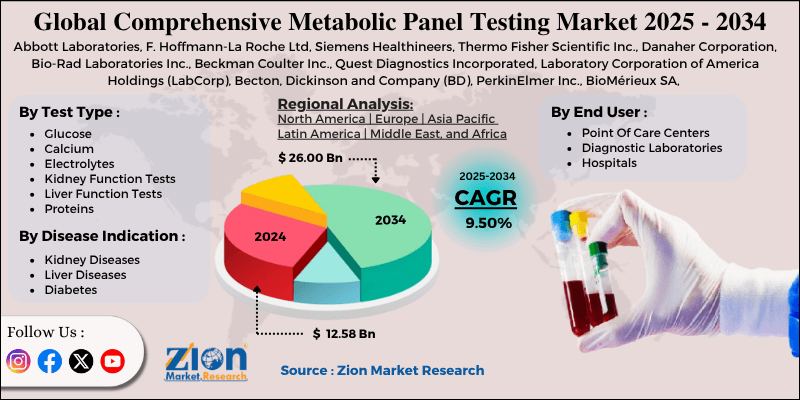
Components of the Comprehensive Metabolic Panel
The CMP measures 14 analytes:
Glucose and Diabetes Markers
- Glucose: Blood sugar level; screens for diabetes/hypoglycemia.
Kidney Function
- Blood Urea Nitrogen (BUN): Waste product; elevated in dehydration/kidney issues.
- Creatinine: Muscle waste; key for eGFR calculation.
- BUN/Creatinine Ratio: Helps differentiate prerenal vs. intrinsic renal causes.
Electrolytes and Acid-Base Balance
- Sodium (Na⁺): Fluid balance, nerve/muscle function.
- Potassium (K⁺): Heart rhythm, muscle contraction.
- Chloride (Cl⁻): Acid-base, fluid balance.
- Carbon Dioxide (CO₂/Bicarbonate): Acid-base status, lung/kidney function.
Liver Function
- Albumin: Major blood protein; assesses nutrition/liver synthesis.
- Total Protein: Albumin + globulins.
- Alkaline Phosphatase (ALP): Bone/liver enzyme.
- Alanine Aminotransferase (ALT): Liver-specific damage.
- Aspartate Aminotransferase (AST): Liver/heart/muscle.
- Bilirubin (Total): Liver processing of heme; jaundice marker.
Normal Reference Ranges (Adult)
Ranges vary slightly by lab/age/sex; typical values:
- Glucose: 70-99 mg/dL (fasting).
- BUN: 7-20 mg/dL.
- Creatinine: 0.6-1.2 mg/dL (women), 0.7-1.3 mg/dL (men).
- Sodium: 135-145 mEq/L.
- Potassium: 3.5-5.0 mEq/L.
- Chloride: 98-106 mEq/L.
- CO₂: 23-29 mEq/L.
- Albumin: 3.5-5.0 g/dL.
- Total Protein: 6.0-8.3 g/dL.
- ALP: 44-147 IU/L.
- ALT: 7-56 IU/L.
- AST: 10-40 IU/L.
- Bilirubin: 0.1-1.2 mg/dL.
eGFR calculated separately (>60 mL/min/1.73m² normal).
Clinical Interpretation
Abnormal results guide diagnosis:
- High Glucose: Diabetes, stress.
- Elevated BUN/Creatinine: Kidney dysfunction, dehydration.
- Electrolyte Imbalances: Dehydration, heart/kidney issues, medications.
- Liver Enzymes Up: Hepatitis, fatty liver, alcohol, drugs.
- Low Albumin: Malnutrition, liver/kidney disease, inflammation.
Patterns:
- Anion Gap (Na – (Cl + CO₂)): >12 suggests metabolic acidosis.
- AST/ALT Ratio: >2 indicates alcoholic liver disease.
Indications for Ordering CMP
- Routine Screening Annual wellness exams.
- Chronic Disease Monitoring Diabetes, hypertension, kidney/liver disease.
- Acute Illness Dehydration, infection, abdominal pain.
- Medication Monitoring Diuretics, statins, antihypertensives.
- Preoperative Baseline assessment.
- Hospital Admission Standard panel.
Preparation and Procedure
- Fasting: Preferred 8-12 hours (glucose accuracy); non-fasting acceptable for most.
- Sample: Venous blood (serum).
- Turnaround: Hours (stat) to 1 day.
No special prep beyond hydration.
Advantages
- Broad organ overview from one draw.
- Cost-effective (~USD 20-50).
- Rapid results.
- Guides targeted follow-up.
Limitations
- Snapshot (not dynamic).
- Influenced by diet, medications, hydration.
- Non-specific abnormalities require context.
- No direct cardiac markers (add troponin/BNP).
Variations and Related Panels
- Basic Metabolic Panel (BMP): 8 tests (no liver/proteins).
- Extended: With lipids, thyroid, etc.
Pediatric/geriatric ranges differ.
Trends and Innovations
- Point-of-care analyzers.
- Integration with EHR for trending.
- AI interpretation aids.
- Home kits emerging (limited).
Conclusion
The Comprehensive Metabolic Panel remains a foundational blood test, providing efficient, multi-system insights into metabolic health. Its 14 biomarkers guide diagnosis and management of common conditions while supporting preventive care. Proper interpretation in clinical context maximizes utility, often prompting targeted testing. As lab medicine digitizes and personalizes, the CMP endures as a cost-effective cornerstone of routine and acute evaluation.
More articles by ZMR Researche:
https://www.zionmarketresearch.com/de/report/chambered-doctor-blade-systems-market
https://www.zionmarketresearch.com/de/report/femoral-canal-brush-market
https://www.zionmarketresearch.com/de/report/idi-contact-technology-market
https://www.zionmarketresearch.com/de/report/oil-mist-separator-market
https://www.zionmarketresearch.com/de/report/cross-traffic-alert-market