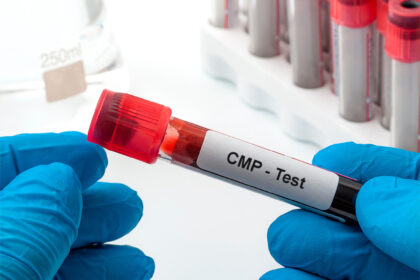
Medical Device Contract Research Organization (CRO) is a specialized service provider that supports medical device companies in the design, execution, and management of preclinical and clinical research required for regulatory approval and market launch. Medical device CROs offer expertise across the device lifecycle—from concept validation and prototype testing to clinical trials, post-market surveillance, and reimbursement studies—helping sponsors navigate complex regulatory pathways while controlling costs and timelines.
The Medical Device CRO sector emerged in the 1990s as device development grew more sophisticated and regulatory scrutiny intensified. Distinct from pharmaceutical CROs, medical device CROs address unique challenges: diverse product classifications (Class I-III, FDA; I-IV, EU MDR), combination products (drug-device), and human factors engineering. As of 2025, the global medical device CRO market is valued at approximately USD 10-15 billion, growing at a CAGR of 8-12%, driven by increasing device complexity (wearables, implants, digital health), aging populations, and outsourcing trends among startups and mid-sized firms. Major players include ICON plc, Medpace, Syneos Health, IQVIA, PPD (Thermo Fisher), NAMSA, and specialized firms like Emergo by UL and MCRA.

Services Offered by Medical Device CROs
Medical device CROs provide end-to-end or modular services tailored to device type and regulatory jurisdiction:
- Preclinical Services
- Biocompatibility testing (ISO 10993).
- Bench testing, animal studies, cadaver labs.
- Engineering validation (durability, fatigue, simulation).
- Clinical Research
- Study design (feasibility, pivotal, post-market clinical follow-up – PMCF).
- Site selection, patient recruitment, monitoring.
- Data management, biostatistics, clinical evaluation reports (CER).
- Regulatory Affairs
- Strategy and submissions (FDA 510(k), De Novo, PMA; EU CE marking under MDR/IVDR).
- Risk management (ISO 14971), usability engineering (IEC 62366).
- Quality and Compliance
- QMS development (ISO 13485), audits, CAPA.
- Reimbursement and Market Access
- Health economics, outcomes research, payer evidence dossiers.
- Post-Market Surveillance
- Vigilance reporting, registries, real-world evidence (RWE).
Many CROs offer integrated “full-service” models, while niche providers focus on specific areas like cardiovascular devices or in vitro diagnostics (IVD).
Regulatory Landscape and Differences from Pharma CROs
Medical device regulations differ markedly from pharmaceuticals:
- Risk-Based Classification: Lower-risk devices (Class I/II) often require less clinical data than drugs.
- Clinical Evidence: Substantial equivalence (510(k)) vs. randomized controlled trials for high-risk (PMA).
- EU MDR/IVDR (2017/2022): Stricter clinical evaluation, PMCF, and notified body oversight.
- Combination Products: Dual drug-device regulation.
Device CROs must master human factors, software validation (IEC 62304), and unique device identifiers (UDI). Clinical trials often involve smaller patient cohorts, operator training, and device-specific endpoints.
Advantages of Outsourcing to Medical Device CROs
- Expertise in niche regulations and device-specific trial design.
- Access to specialized sites/investigators.
- Cost efficiency (fixed vs. variable internal teams).
- Faster timelines through established processes.
- Risk mitigation (regulatory, operational).
Small/med-sized sponsors particularly benefit, avoiding large internal R&D infrastructure.
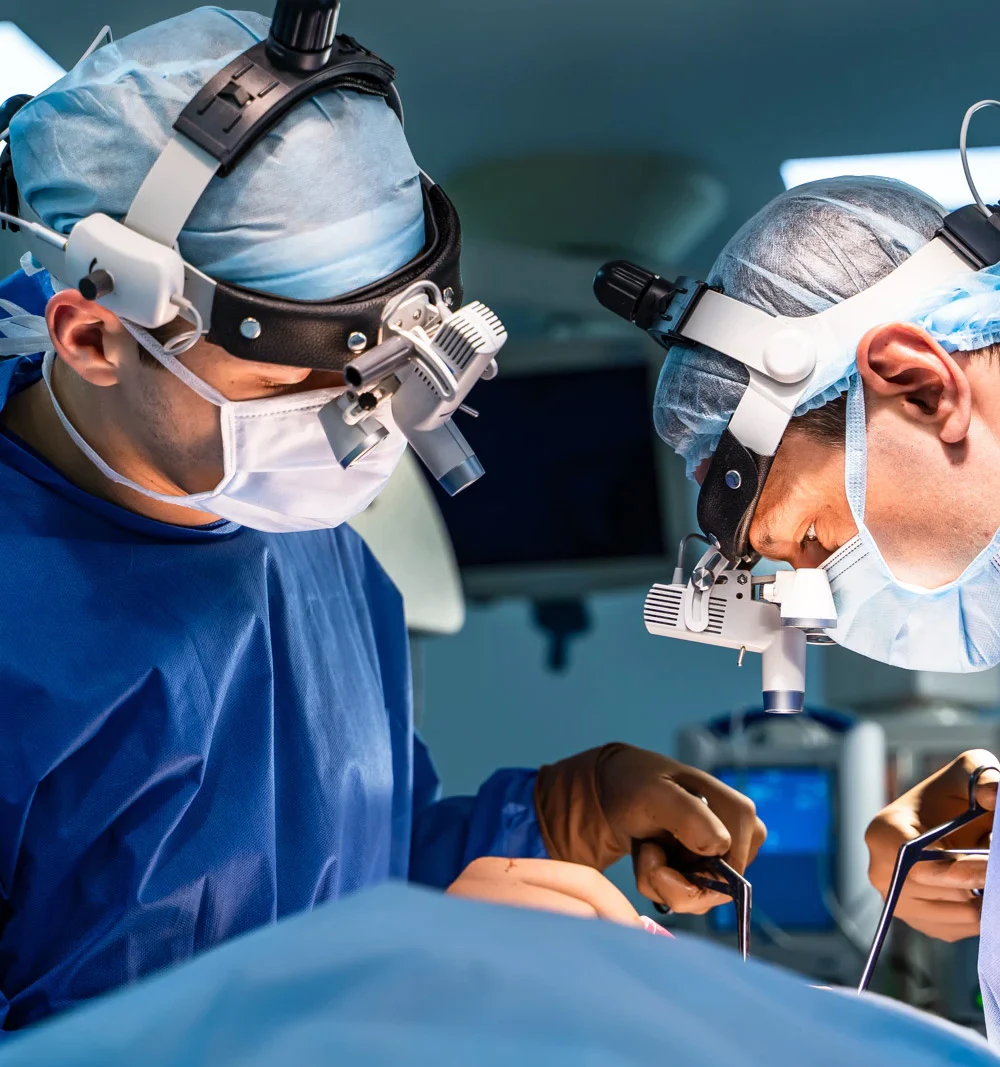
Challenges
- Rapid regulatory changes (MDR transition delays).
- Device learning curve for investigators.
- Supply chain/logistics for investigational devices.
- Data privacy (GDPR, HIPAA for connected devices).
- Reimbursement evidence gaps.
Market Trends (2025)
- Digital Health/AI Devices: Wearables, SaMD (Software as Medical Device) require novel validation.
- Decentralized Trials: Remote monitoring, home-use devices.
- Sustainability: Eco-friendly materials/testing.
- Asia-Pacific Growth: China NMPA reforms attract trials.
- Consolidation: Large CROs acquire device specialists.
Major Players and Specialization
- NAMSA: Preclinical/biocompatibility leader.
- MCRA: U.S. regulatory/orthopedics focus.
- Emergo by UL: Global regulatory consulting.
- Medpace: Integrated device-drug trials.
- IQVIA/Syneos: Full-service with strong data analytics.
Conclusion
Medical device CROs play an indispensable role in bringing innovative devices to market safely and efficiently, navigating a regulatory landscape distinct from pharmaceuticals. Their specialized expertise accelerates development, reduces risks, and enables smaller companies to compete. As devices grow smarter, more connected, and personalized, CROs will increasingly integrate digital, AI, and real-world evidence capabilities, shaping the future of medical technology innovation.
More articles by ZMR Researche:
https://www.zionmarketresearch.com/de/report/water-filtration-systems-market
https://www.zionmarketresearch.com/de/report/bourbon-spirits-market
https://www.zionmarketresearch.com/de/report/logistics-picking-robots-market
https://www.zionmarketresearch.com/de/report/logistics-picking-robots-market
https://www.zionmarketresearch.com/de/report/smart-virtual-personal-assistants-market-size