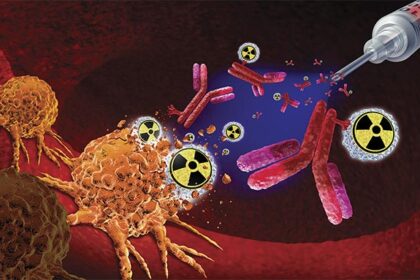
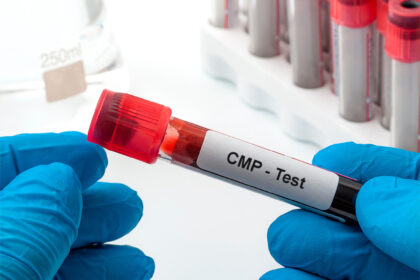
Mycoplasma detection systems are essential tools and kits used to identify mycoplasma contamination in cell cultures, biopharmaceutical production, and research samples. Mycoplasmas, the smallest free-living bacteria lacking cell walls, frequently contaminate mammalian cell lines (15–35% globally), altering cell metabolism, gene expression, and experimental results without visible signs. Early detection prevents costly losses in research and ensures compliance in biomanufacturing.
Modern systems primarily rely on molecular methods like PCR and qPCR for rapid, sensitive results, replacing slower culture-based approaches. The mycoplasma testing market is growing rapidly, valued at USD 700–800 million in recent years and projected to exceed USD 2–3 billion by 2032, with CAGRs of 12–13% driven by biopharma expansion and regulatory demands.
The Problem of Mycoplasma Contamination
Mycoplasmas (class Mollicutes) are tiny (0.2–0.3 μm), pleomorphic bacteria that evade standard filters and antibiotics. Over 200 species exist, but 8–10 (e.g., M. orale, M. hyorhinis, M. arginini, M. fermentans, A. laidlawii) cause 95–98% of cell culture contaminations.
Sources: Contaminated reagents, lab personnel, cross-contamination.
Effects: Inhibited growth, chromosomal aberrations, altered cytokine expression, invalidating results in virology, vaccine production, and cell therapy.
Regulatory bodies (FDA, EMA, JP) mandate testing for biologics release.
Detection Methods
Methods evolved from slow culture to rapid molecular assays.
- Culture (Gold Standard, Historical): Agar/broth incubation (up to 28–35 days); detects viable mycoplasma but misses non-cultivable species.
- DNA Staining (Hoechst/DAPI): Fluorescent microscopy reveals extranuclear DNA; quick but less sensitive, prone to artifacts.
- Biochemical/Enzymatic: E.g., MycoAlert (Lonza) detects ADP-ATP conversion via luminescence (30–60 min); sensitive but potential false positives.
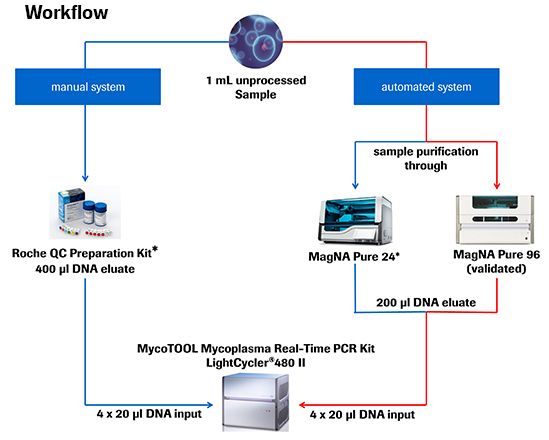
- PCR/qPCR (Current Standard): Amplifies conserved 16S rRNA genes; detects <10 CFU/mL, results in hours. Variants: Conventional, real-time, isothermal.
Automated systems like BIOFIRE Mycoplasma offer closed, <1-hour results.
Commercial Mycoplasma Detection Systems
Popular kits (2025):
- MycoAlert/MycoAlert PLUS (Lonza) → Luminescence-based; rapid (20–30 min), widely used.
- MycoSEQ/MycoSEQ Plus (Thermo Fisher) → qPCR; high sensitivity, validated for biopharma.
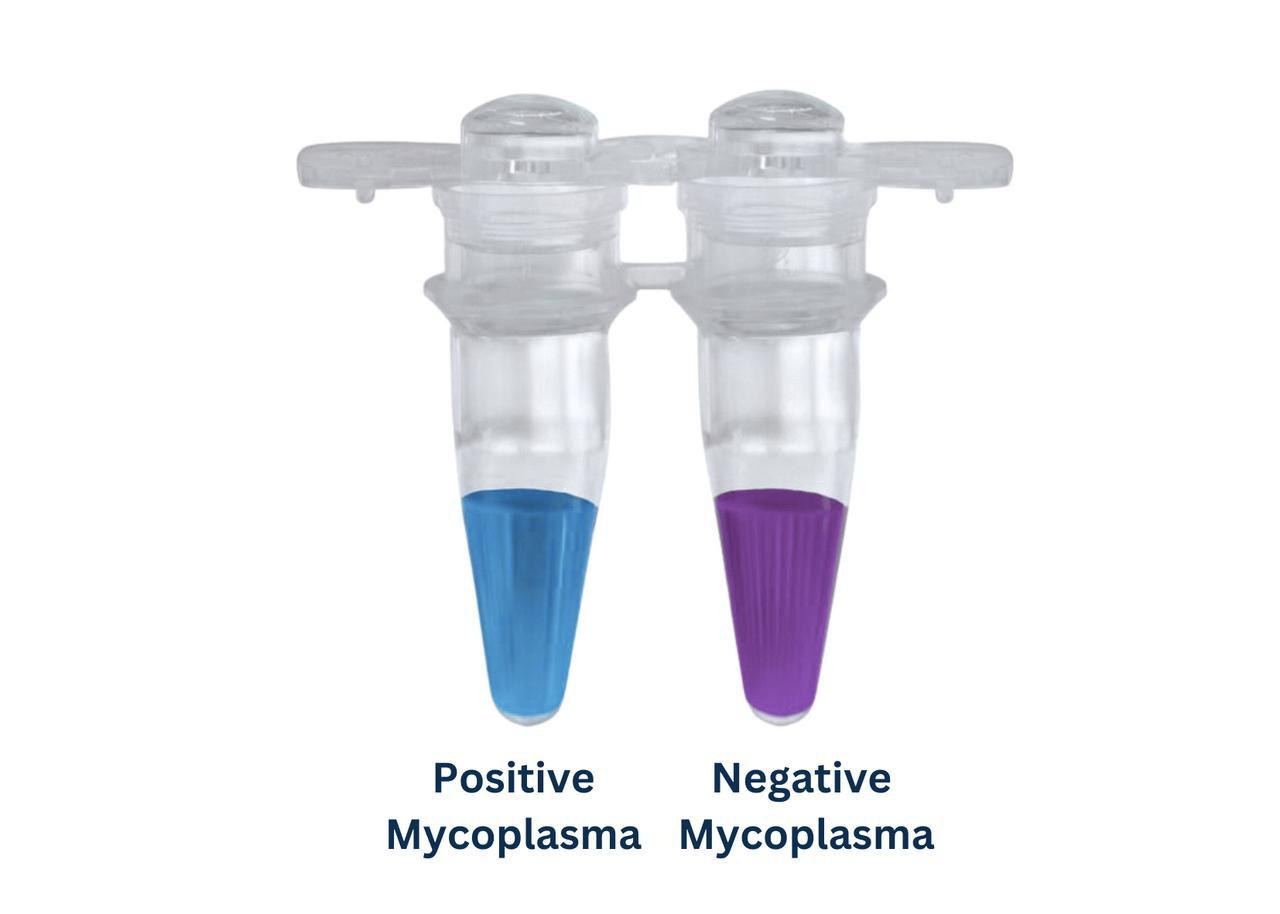
- MycoStrip (InvivoGen) → Isothermal PCR with strip readout; no equipment needed.
- MycoProbe (R&D Systems/Bio-Techne) → Colorimetric microplate; high-throughput.
- BIOFIRE Mycoplasma (bioMérieux) → Fully automated pouch system; ~1 hour.
- EZ-PCR/Universal Kits (ATCC, abm) → Conventional PCR; broad coverage.
- Others: Assay Genie (visual 1-hour), Minerva Biolabs, QIAGEN QIAcuity.
Most detect 100–200+ species; qPCR dominant for sensitivity/specificity.
Advantages and Best Practices
Advantages of Modern Systems:
- Rapid (hours vs. weeks).
- High sensitivity/specificity.
- Easy-to-use, minimal training.
- Regulatory compliance (EP 2.6.7, USP <63>).
Best Practices:
- Test routinely (every 2–3 months, new stocks).
- Use multiple methods for confirmation.
- Sample after 3+ days post-passage.
- Prevent via good aseptic technique, quarantined reagents.
In conclusion, mycoplasma detection systems are vital for reliable cell-based research and safe biologics. PCR/qPCR kits lead due to speed and accuracy, with ongoing innovations focusing on automation and point-of-care testing. Regular screening safeguards experiments—consult guidelines from ATCC or EP for protocols.
More articles by ZMR Researche:
https://www.zionmarketresearch.com/de/report/alloy-steel-market
https://www.zionmarketresearch.com/de/report/etanercept-market
https://www.zionmarketresearch.com/de/report/thyristors-devices-market
https://www.zionmarketresearch.com/de/report/dental-water-jet-market
https://www.zionmarketresearch.com/de/report/assembly-automation-systems-market