Physical therapy (PT), also known as physiotherapy in many countries, is a healthcare profession focused on evaluating, diagnosing, and treating musculoskeletal, neurological, cardiopulmonary, and other physical impairments to restore movement, reduce pain, improve function, and enhance quality of life. Physical therapists (PTs) use evidence-based techniques including therapeutic exercise, manual therapy, modalities (heat, cold, electrical stimulation), patient education, and functional training.
The roots of modern physical therapy trace to ancient practices (Hippocrates advocated massage and hydrotherapy) but formalized in the early 20th century. World War I “reconstruction aides” treated injured soldiers, leading to professional organizations (American Physical Therapy Association founded 1921). Post-WWII polio epidemics and advances in orthopedics expanded scope. As of 2025, over 300,000 PTs practice in the U.S. alone, with millions worldwide. The Global Physical Therapy Market exceeds USD 50 billion, growing due to aging populations, sports medicine, chronic disease management (diabetes, obesity), and post-COVID rehabilitation needs. PT is integral to preventive care, reducing opioid reliance for pain and healthcare costs through non-pharmacological interventions.
Physical therapy bridges medicine and daily function, empowering patients toward independence.
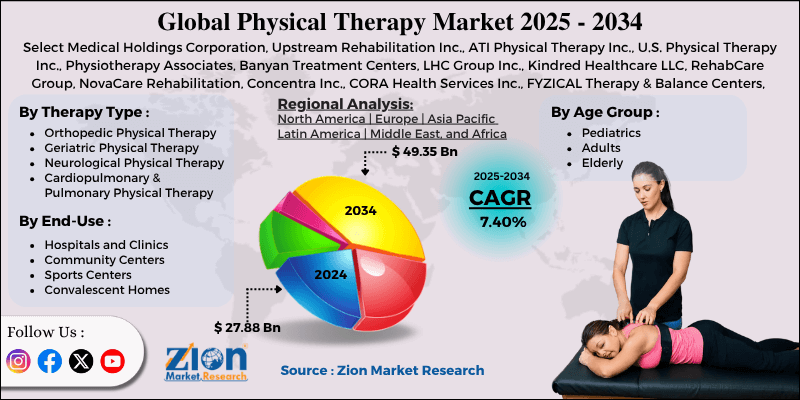
Scope of Practice and Specializations
PTs hold doctoral degrees (DPT) in most countries, practicing autonomously or collaboratively:
- Orthopedic: Fractures, arthritis, post-surgical (joint replacements).
- Neurological: Stroke, Parkinson’s, spinal cord injury, multiple sclerosis.
- Cardiopulmonary: Heart attack recovery, COPD, cystic fibrosis.
- Pediatric: Cerebral palsy, developmental delays.
- Geriatric: Fall prevention, dementia mobility.
- Sports: Injury rehab, performance enhancement.
- Women’s Health: Pelvic floor, pregnancy-related pain.
- Oncology: Lymphedema, fatigue management.
- Vestibular: Dizziness, balance disorders.
Emerging: Telehealth PT, regenerative (PRP/stem cell adjunct).
Principles and Techniques
PT follows biopsychosocial model:
- Assessment: History, posture, gait, range of motion (ROM), strength, neurological tests.
- Diagnosis: Movement system impairments.
- Intervention:
- Therapeutic Exercise: Strengthening, stretching, aerobic.
- Manual Therapy: Joint mobilization, soft tissue massage, dry needling.
- Modalities: Ultrasound, TENS, laser, shockwave.
- Neuromuscular Re-education: Balance, proprioception.
- Functional Training: ADL simulation, sport-specific.
- Patient Education: Home programs, ergonomics.
Evidence-based: Guidelines from APTA, NICE, WHO.
Conditions Treated
Common:
- Back/neck pain (80% population lifetime).
- Osteoarthritis, rheumatoid arthritis.
- Post-operative (hip/knee replacement).
- Stroke rehabilitation.
- Sports injuries (ACL, rotator cuff).
- Chronic pain syndromes.
- Cardiopulmonary rehab.
Preventive: Fall risk, workplace injury.
Benefits and Outcomes
- Pain reduction (comparable/superior to medication short-term).
- Improved mobility/function.
- Reduced surgery need (e.g., meniscus tears).
- Lower healthcare utilization.
- Enhanced quality of life (SF-36 scores).
Meta-analyses: PT effective for low back pain, osteoarthritis, stroke recovery.
Education and Training
- U.S.: Doctor of Physical Therapy (DPT) 3 years post-bachelor; residency/fellowship optional.
- Global: Bachelor’s/master’s in many countries; direct entry.
- Licensure: National exams, continuing education.
Specialties: Board certification (orthopedics, neurology, etc.).

Practice Settings
- Outpatient clinics (most common).
- Hospitals (acute, rehab).
- Home health.
- Sports facilities.
- Schools (pediatric).
- Nursing homes.
Telehealth growth post-COVID.
Challenges
- Access disparities (rural, low-income).
- Reimbursement pressures.
- Burnout (high caseloads).
- Evidence gaps (some techniques).
Trends
- Direct access (no physician referral).
- Digital PT (apps, wearables).
- Regenerative integration.
- Preventive/wellness focus.
- Global shortage addressed by education expansion.
Conclusion
Physical therapy is a dynamic, evidence-based profession restoring movement and function across lifespan and conditions. From post-injury rehab to chronic disease management and preventive care, PTs empower patients through hands-on and educational interventions. As populations age and lifestyles shift, physical therapy’s role expands in promoting active, healthy living while reducing healthcare burdens. Ongoing research and technology integration ensure its continued evolution as a cornerstone of rehabilitative medicine.
More articles by ZMR Researche:
https://www.zionmarketresearch.com/de/report/agave-nectar-market
https://www.zionmarketresearch.com/de/report/foliar-fertilizer-market
https://www.zionmarketresearch.com/de/report/electric-and-diesel-tractor-market
https://www.zionmarketresearch.com/de/report/primary-macronutrients-market
https://www.zionmarketresearch.com/de/report/badminton-equipment-and-facilities-market