Preventive Vaccines: Safeguarding Global Health Through Proactive Immunization in 2025
Introduction
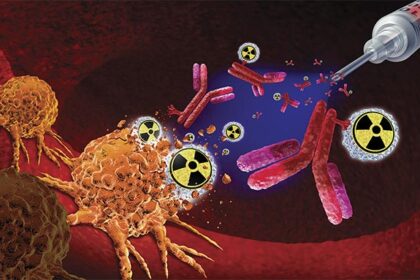
Preventive Vaccines, also known as prophylactic vaccines, are biological preparations administered to healthy individuals to stimulate the immune system and confer protection against specific infectious diseases before exposure occurs. Unlike therapeutic vaccines, which treat existing conditions (e.g., certain cancer vaccines), preventive vaccines focus on disease prevention by inducing long-term immunity through antibodies and memory cells. This distinction is crucial: prophylactic vaccines neutralize pathogens upon entry, while therapeutic ones enhance immune responses against established infections.
As of December 2025, preventive vaccines represent one of humanity’s greatest public health triumphs, averting millions of deaths annually and eradicating diseases like smallpox. The global preventive vaccines market reflects this impact, valued at approximately USD 55-90 billion in 2025, with projections to reach USD 97-136 billion by 2030-2032 at CAGRs ranging from 1.42% to 9.9%. Growth is driven by rising infectious disease burdens, technological advancements (e.g., mRNA platforms), government immunization programs, and post-COVID emphasis on preparedness. This article explores the mechanics, types, benefits, market dynamics, major vaccines, challenges, and future of preventive immunization.

How Preventive Vaccines Work
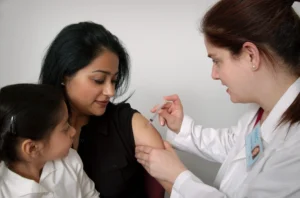
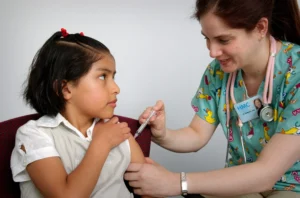
Preventive vaccines mimic infection without causing disease, training the immune system to recognize and combat pathogens. Key mechanisms include:
- Antigen Presentation: Vaccines introduce antigens (weakened/live pathogens, proteins, or mRNA encoding them).
- Immune Activation: Triggers B-cells to produce antibodies and T-cells for cellular immunity.
- Memory Formation: Creates long-lasting memory cells for rapid response upon real exposure.
Types of preventive vaccines:
- Live Attenuated: Weakened pathogens (e.g., MMR, oral polio).
- Inactivated: Killed pathogens (e.g., injected polio, hepatitis A).
- Subunit/Conjugate: Purified antigens (e.g., HPV, pneumococcal).
- Toxoid: Inactivated toxins (e.g., diphtheria, tetanus).
- mRNA/Viral Vector: Instructions for antigen production (e.g., COVID-19 vaccines).
Efficacy varies by vaccine and pathogen, often 70-95%+, with boosters enhancing durability.
Major Preventive Vaccines in 2025
Routine schedules (e.g., CDC/WHO) include:
| Vaccine | Targets | Type | Key Notes (2025) |
|---|---|---|---|
| DTaP/Tdap | Diphtheria, Tetanus, Pertussis | Toxoid + Inactivated | Core childhood; boosters for adults |
| MMR | Measles, Mumps, Rubella | Live Attenuated | High coverage; outbreaks in low-rate areas |
| Polio (IPV/OPV) | Poliomyelitis | Inactivated/Live | Near-eradication; wild poliovirus persists |
| ** Hib** | Haemophilus influenzae type b | Conjugate | Prevents meningitis in children |
| Hepatitis B | Hepatitis B virus | Subunit | Birth dose critical |
| Pneumococcal (PCV) | Streptococcus pneumoniae | Conjugate | Updated formulations for broader coverage |
| HPV | Human Papillomavirus | Subunit | Prevents cervical cancer; rising uptake |
| Influenza | Seasonal Flu | Inactivated/mRNA | Annual updates |
| COVID-19 | SARS-CoV-2 | mRNA/Viral Vector | Updated for variants |
| RSV | Respiratory Syncytial Virus | Subunit/mRNA | New for infants/elderly |
| Rotavirus | Rotavirus | Live Attenuated | Prevents severe diarrhea in infants |
| Varicella | Chickenpox | Live Attenuated | Reduces shingles risk later |
Emerging: Chikungunya (approved 2025), broader meningococcal.
Global Coverage and Impact
In 2024-2025, global DTP3 coverage stands at ~85%, with 14-15 million zero-dose children. HPV coverage rose to 31% for girls. High-income countries often exceed 90-95%, while low-income lag due to access barriers.
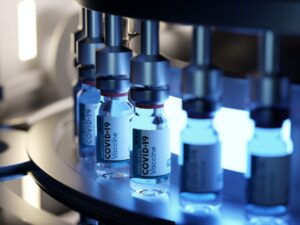
Vaccines prevent 4-5 million deaths yearly; full coverage could save more.
Market Size and Trends
The preventive vaccines segment dominates the ~USD 80-90 billion overall vaccine market in 2025, with CAGRs of 6-10%. North America leads, Asia-Pacific grows fastest.
| Year | Market Size (USD Billion) | CAGR (%) | Key Drivers |
|---|---|---|---|
| 2025 | 55-90 | – | Post-pandemic recovery, new approvals |
| 2030 | 97-136 | 6-9.9 | mRNA tech, emerging diseases |
| 2032-34 | 107-178 | 9-10.5 | Government programs, aging populations |
Key players: Pfizer, GSK, Sanofi, Merck, Moderna.
Benefits and Challenges
Benefits:
- Herd immunity protects vulnerable.
- Economic savings: $10-40 ROI per $1 invested.
- Eradication potential (e.g., polio nearing).
Challenges:
- Hesitancy/misinformation.
- Supply chain in low-resource areas.
- Emerging variants/resistance.
- Equity gaps.
Future Outlook
Pipeline includes universal flu, broader RSV, Group A Strep, Shigella. mRNA/nanoparticle innovations promise faster development. IA2030 aims for 90% coverage by 2030.
Conclusion
Preventive vaccines remain the cornerstone of global health security, evolving rapidly in 2025 with new technologies and expanded access. Sustained investment, education, and equity efforts are essential to close gaps and prepare for future threats. By prioritizing prevention, we protect generations and build resilient societies. Consult healthcare providers for personalized schedules.
More articles by InnovateIQ Researche:
https://www.zionmarketresearch.com/de/report/traffic-signs-market
https://www.zionmarketresearch.com/de/report/fan-filter-unit-market
https://www.zionmarketresearch.com/de/report/dry-mortar-market
https://www.zionmarketresearch.com/de/report/messaging-platform-market
https://www.zionmarketresearch.com/de/report/nose-radome-market